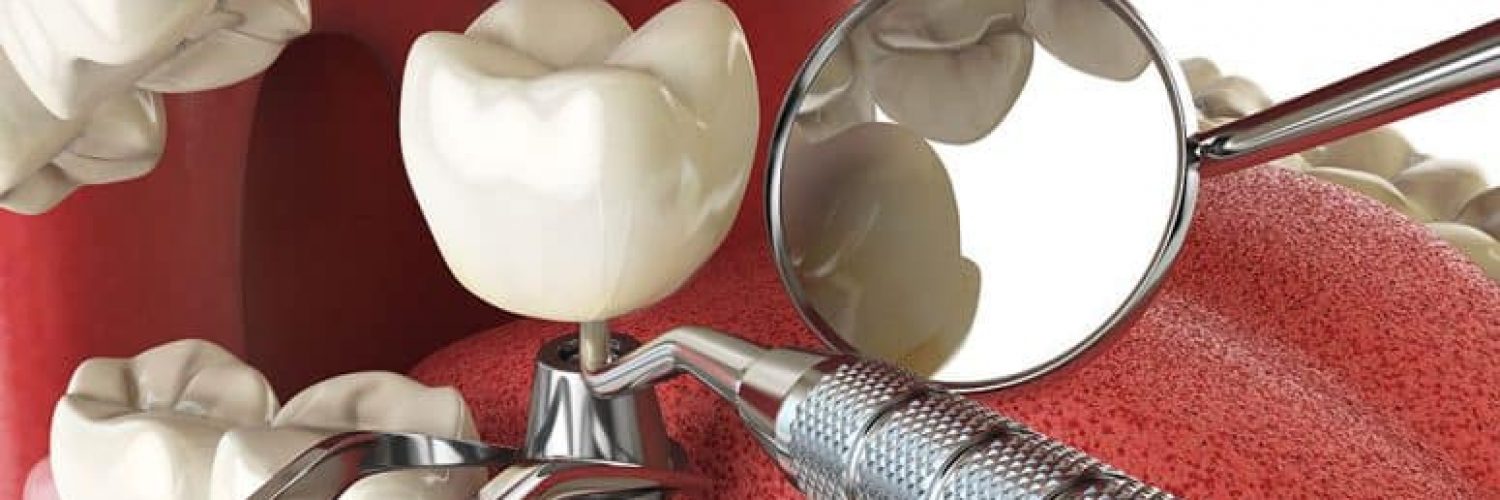
A dental bridge uses the teeth beside a gap to hold a replacement tooth. Implants replace the tooth root with a titanium post in the jawbone. Implants usually last longer and protect bone, while bridges are faster and avoid surgery. The right choice in the dental bridge vs implant decision depends on your bone, neighboring teeth, and goals.
Losing a tooth affects more than your smile. It changes how you chew, how nearby teeth sit, and how your jawbone ages. Our article on what happens if you don’t replace a missing tooth explains why timing matters.
Once you decide to replace a tooth, two fixed options come up most often. This guide compares them side by side.
What Is a Dental Bridge?
A bridge fills a gap by attaching a false tooth to the teeth on either side. Those supporting teeth are called abutments. Your dentist reshapes them and covers them with crowns. The replacement tooth, called a pontic, sits between the crowns.
Types of Dental Bridges
- Traditional bridge: Crowns on both neighboring teeth support the false tooth. This is the most common design.
- Cantilever bridge: Only one neighboring tooth supports the replacement. Dentists use it in limited situations.
- Maryland bridge: A metal or porcelain framework bonds to the back of neighboring teeth. It requires less reshaping but is less durable under heavy biting.
- Implant-supported bridge: Implants, not natural teeth, anchor the bridge. This option often replaces several missing teeth in a row.
According to Cleveland Clinic, a dental bridge typically lasts five to 15 years, and some last longer with good care.
What Is a Dental Implant?
An implant replaces the entire tooth, including the root. A small titanium post is placed into the jawbone. Over several months, bone grows around the post and locks it in place. Your dentist then attaches a custom crown on top.
Implants stand on their own. They do not rely on neighboring teeth for support. Learn more about the process on our dental implant placement and restoration page.
Dental Bridge vs Implant: Key Differences
Effect on Neighboring Teeth
A traditional bridge requires reshaping healthy teeth to hold crowns. That enamel cannot be replaced. If those teeth develop decay or fracture later, the whole bridge can be affected.
Implants leave neighboring teeth untouched. For patients with healthy teeth beside the gap, this is often a deciding factor.
Effect on Your Jawbone
Tooth roots stimulate the jawbone when you chew. When a root is lost, the bone in that area slowly shrinks. A bridge sits above the gum and does not replace that stimulation.
An implant acts like a root. It helps preserve bone in the area it replaces. Over time, this can help maintain facial structure and gum contours.
Treatment Time
Bridges are faster. Most take two to three visits over a few weeks. There is no surgery and no healing period for bone.
Implants take longer. Healing and bone integration usually take several months before the final crown is placed. Some patients also need a bone graft first, which adds time.
Longevity
Bridges commonly need replacement within five to 15 years. Implant posts can last decades when cared for properly. The crown on top of an implant may need replacing over time, much like any crown.
Cleaning and Maintenance
A bridge requires extra care underneath the false tooth. Floss threaders or water flossers help remove trapped food and plaque. Skipping this step raises the risk of decay on the supporting teeth.
An implant is cleaned much like a natural tooth. You brush and floss around it normally. Regular cleanings still matter, because gum inflammation can affect implants too.
Cost Considerations
Bridges often cost less upfront. Implants usually cost more initially but may need fewer replacements over time. Insurance coverage varies widely by plan. Your dental team can provide an estimate based on your specific treatment and coverage.
Who Is a Good Candidate for Each Option?
A Bridge May Be a Better Fit If You:
- Already have crowns or large fillings on the neighboring teeth
- Want a faster result without surgery
- Have health conditions that make surgery less advisable
- Have limited bone and prefer to avoid grafting
An Implant May Be a Better Fit If You:
- Have healthy, untouched teeth next to the gap
- Want the longest-lasting option available
- Have enough jawbone, or are open to grafting
- Want to help preserve bone in the area
Heavy smoking, uncontrolled diabetes, and certain medications can affect implant healing. Your dentist will review your health history before recommending a plan.
What About Dentures?
Bridges and implants are fixed options. Dentures and partials are removable alternatives that work well for some patients, especially when several teeth are missing. Our comparison of dental implants and dentures walks through that decision in detail.
How Your Dentist Helps You Decide
Choosing between a bridge and an implant starts with a thorough exam. Your dentist will evaluate the neighboring teeth, check your gum health, and take X-rays to measure bone. Some cases also need 3D imaging.
From there, your dentist will explain the pros and cons for your mouth specifically. There is rarely one universal answer. The best option is the one that fits your health, timeline, and priorities.
Frequently Asked Questions
Is a bridge or implant better for a front tooth?
Both can look natural. Implants avoid reshaping neighboring teeth, which is appealing when those teeth are healthy. Gum and bone contours in the front of the mouth also influence which option looks best.
Does getting a dental implant hurt?
Implant placement is done with local anesthetic, so you should not feel sharp pain. Mild soreness and swelling afterward are common for a few days. Most patients manage with over-the-counter pain relievers.
Can you get a bridge after an implant fails?
Often, yes. If an implant does not integrate, your dentist may recommend a bridge or another implant attempt after healing. The right path depends on the bone and neighboring teeth.
How long after losing a tooth should I get it replaced?
Sooner is generally better. Neighboring teeth can drift and bone can shrink over time. Talk with your dentist soon after tooth loss to keep all options open.
Does insurance cover dental implants?
Coverage varies by plan. Some plans cover part of the implant or the crown, while others exclude implants. Your dental office can verify your benefits before treatment begins.
Reviewed by Dr. Doug Barnard, DDS
This article is for informational purposes only and does not constitute medical or dental advice. Consult a qualified dentist for diagnosis and treatment recommendations specific to your situation.