What Happens If You Don’t Replace a Missing Tooth? What You Should Know in 2026
If you don’t replace a missing tooth, the surrounding teeth shift, the jawbone begins to deteriorate, and your bite, appearance, and overall oral health decline over time. The effects compound the longer the gap remains untreated.
Losing a tooth feels like a cosmetic problem at first. But the consequences go much deeper than appearance. The structure of your mouth depends on every tooth doing its job. When one is gone, the entire system adapts in ways that cause real, lasting damage.
Understanding what happens next can help you make a more informed decision about treatment.
Your Surrounding Teeth Begin to Shift
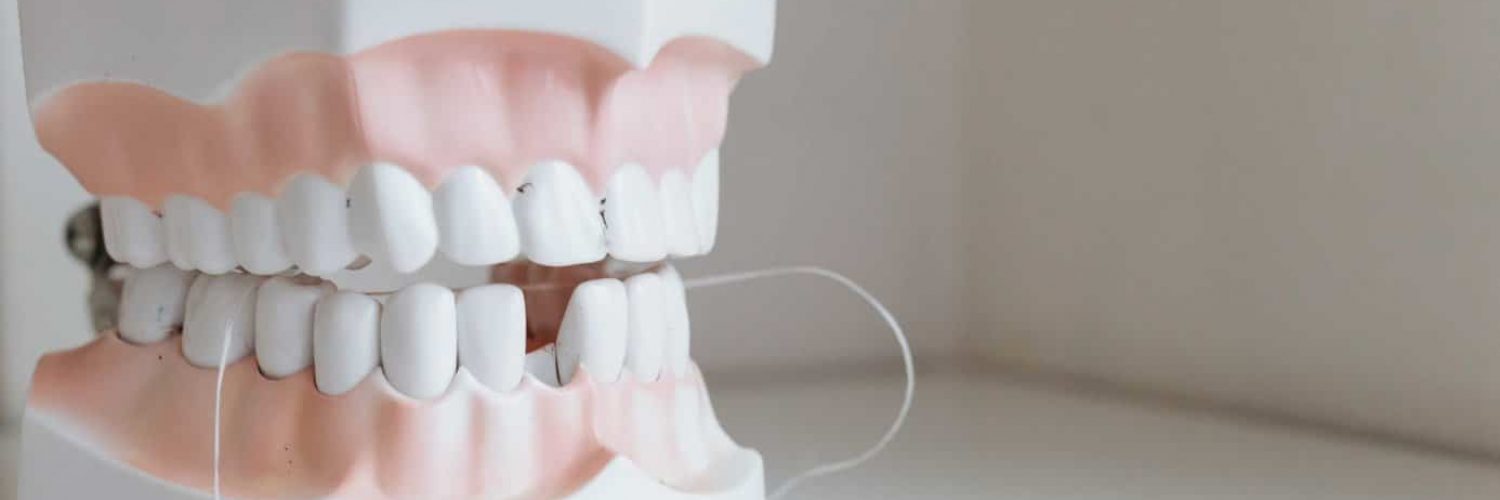
Teeth naturally lean toward open space. When a tooth is missing, the neighboring teeth on either side slowly drift into the gap. The tooth above or below the empty space may also begin to over-erupt, meaning it grows downward or upward without a surface to press against.
This movement causes several problems:
- Teeth become crooked or crowded
- Bite alignment changes, putting uneven pressure on certain teeth
- Cleaning becomes harder, increasing your risk for cavities and gum disease
- Existing dental work, such as crowns or bridges, may no longer fit properly
Even a single missing tooth can set off a chain reaction across your entire bite. Research published by the American Dental Association confirms that untreated tooth loss is directly linked to accelerated changes in dental alignment.
Jawbone Loss Begins Within Months
This is one of the most serious and least talked-about consequences of a missing tooth. Your jawbone needs stimulation from biting and chewing to maintain its density. A tooth root provides that stimulation every time you eat or speak.
Without a root in place, the bone underneath begins to resorb, a process where the body breaks down and reabsorbs bone tissue because it no longer perceives it as necessary.
The timeline is faster than most people expect:
- Within the first year, up to 25% of bone width can be lost at the extraction site
- Over several years, significant vertical bone height loss can occur
- Over a decade or more, the changes can alter the shape of your face and jaw
This bone loss can make future tooth replacement more complicated and expensive. Dental implants, for example, require adequate bone volume to anchor properly. If you wait too long, a bone graft may be needed before an implant is even possible.
Our team at Eagle Rock Dental Care evaluates bone health as part of every tooth replacement consultation.
Your Bite and Chewing Function Suffer
A complete set of teeth distributes chewing force evenly. Remove one tooth and that balance shifts. You may unconsciously begin chewing on one side of your mouth to avoid the gap.
Over time, this uneven chewing leads to:
- Excessive wear on remaining teeth
- Jaw joint strain, including symptoms of TMJ disorder
- Muscle tension or soreness around the jaw and face
- Difficulty eating certain foods, which can affect nutrition
According to the Cleveland Clinic, people with missing teeth are more likely to avoid fibrous, crunchy, or dense foods. This dietary restriction can contribute to nutritional deficiencies, especially in older adults.
The Risk of Gum Disease Increases
The gap left by a missing tooth creates a difficult area to clean. Food particles and bacteria collect easily in the open socket and along the gum margins of neighboring teeth.
Without proper stimulation and coverage, the gum tissue in that area can become inflamed. Over time, untreated inflammation can progress into periodontal disease, which affects the gums and supporting bone around other teeth.
This creates a compounding problem. Gum disease accelerates bone loss. Bone loss makes the surrounding teeth less stable. Unstable teeth are at higher risk of being lost themselves.
Your Facial Appearance Can Change
The jawbone and the structures around it provide the scaffolding for your facial shape. As bone resorbs beneath a missing tooth, the overlying gum and skin begin to sink inward.
This can cause:
- A sunken or hollowed look in the cheek or lip area
- A prematurely aged appearance
- Changes in how your lips rest and move
- Shifting of the chin or lower jaw over time
These changes become more noticeable when multiple teeth are missing, but they can begin with a single untreated gap, particularly in the front or sides of the mouth.
Speech May Be Affected
Teeth play a direct role in how we form certain sounds. Missing a front tooth often makes it harder to pronounce words that rely on tooth-to-lip or tooth-to-tongue contact, such as words with “f,” “v,” “s,” or “th” sounds.
Even missing a back tooth can affect how the tongue moves during speech. Some people develop a slight lisp or slurring without realizing the cause is a missing tooth.
What Are Your Replacement Options?
The good news is that modern dentistry offers several effective solutions. Each option has advantages depending on your bone health, budget, and how many teeth are missing.
Dental Implants
A dental implant is a titanium post placed into the jawbone. It acts as an artificial root and supports a crown on top. Implants are the only replacement option that preserves bone through ongoing stimulation. They look, feel, and function like natural teeth.
Implants are generally the gold standard for single-tooth replacement. They do require a surgical procedure and sufficient bone density. Most healthy adults are candidates.
Dental Bridges
A fixed bridge uses the two teeth on either side of the gap as anchors. A crown is placed on each anchor tooth, and an artificial tooth hangs between them to fill the space.
Bridges do not prevent bone loss beneath the gap, but they restore chewing function and appearance. They require altering the neighboring teeth, which is worth discussing with your dentist.
Partial Dentures
A removable partial denture is a less permanent solution. It can replace one or more teeth and is typically more affordable. However, partial dentures do not stimulate the bone, and they require daily removal and cleaning.
They are often used as a transitional solution or when implants are not feasible.
How Soon Should You Replace a Missing Tooth?
The sooner, the better. The longer a tooth remains unreplaced, the more bone loss occurs, the more surrounding teeth shift, and the more complex treatment becomes.
The American Academy of Implant Dentistry recommends discussing replacement options within weeks of tooth loss, not months or years later.
If cost or timing is a concern, ask your dentist about phased treatment plans. Starting with a temporary solution while planning for a permanent one is better than waiting with an untreated gap.
Our team at Eagle Rock Dental Care is happy to walk you through your options and help you understand what makes sense for your specific situation.
FAQ: What Happens If You Don’t Replace a Missing Tooth?
How long can you go without replacing a missing tooth?
There is no safe waiting period. Bone loss begins within the first few months after tooth loss. While replacing a tooth years later is still possible, it often requires more involved treatment, such as bone grafting.
Does a missing back tooth really need to be replaced?
Yes. Back teeth do most of the heavy chewing work. A missing molar or premolar causes significant bite imbalance and bone loss, even if the gap is not visible when you smile.
Can a missing tooth cause headaches or jaw pain?
Yes. An uneven bite puts strain on the jaw joints and surrounding muscles. This can lead to tension headaches, jaw soreness, and symptoms consistent with TMJ disorder.
Will my other teeth really shift because of one missing tooth?
Yes. Teeth shift throughout life, and an open gap accelerates that movement. Orthodontic research consistently shows that untreated tooth loss leads to measurable drift in adjacent and opposing teeth.
Is a dental implant worth it for one missing tooth?
For most patients, yes. A dental implant preserves bone, restores function, and does not affect neighboring teeth. While the upfront cost is higher than other options, it is typically the most durable and health-preserving long-term solution.
What if I had a tooth pulled years ago and never replaced it?
You can still explore replacement options. Your dentist will evaluate your current bone density and the condition of surrounding teeth. You may need a bone graft before an implant is possible, but many patients in this situation are still good candidates for implant treatment.
Disclaimer: This article is intended for general informational purposes only. It does not constitute professional dental or medical advice, diagnosis, or treatment. Every patient’s situation is unique. Please consult a licensed dental professional to evaluate your specific oral health needs and discuss the most appropriate treatment options for you.