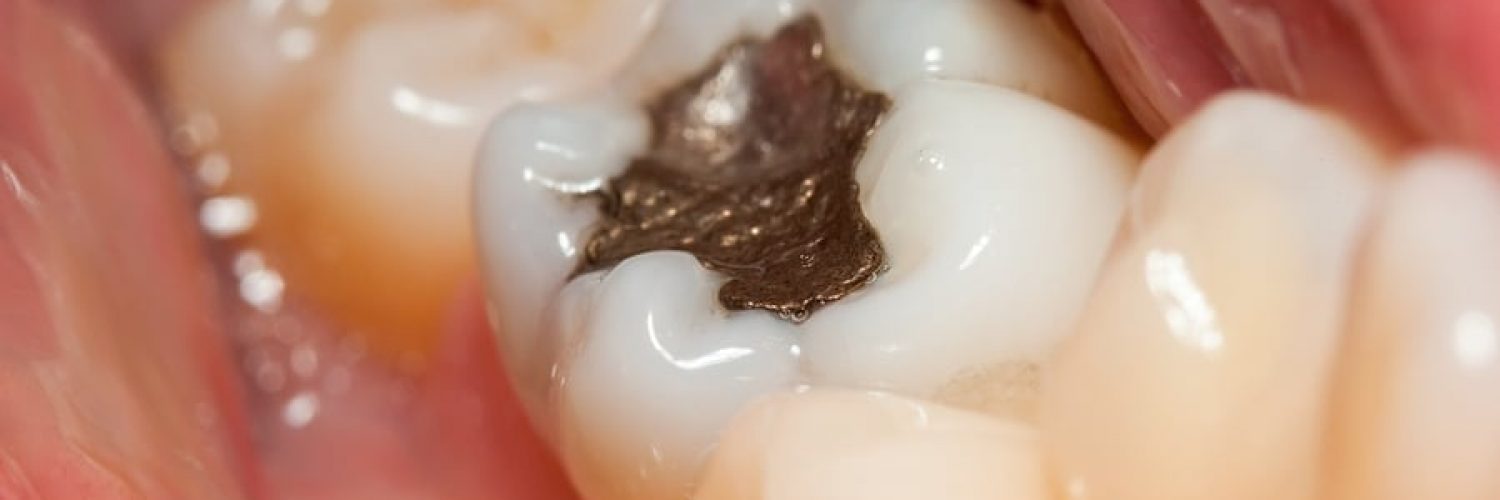
What to Do When a Crown or Filling Comes Loose
Save the crown, rinse your mouth with warm water, and call your dentist the same day. Avoid chewing on that side and keep the exposed tooth clean. Do not use household glue to reattach a crown. Most loose restorations can be recemented or replaced quickly, but waiting invites decay, fracture, and sensitivity.
A crown that lifts off during dinner rarely hurts at first. That absence of pain fools people into waiting, and waiting is where the trouble starts.
An exposed tooth loses its protection. Bacteria reach dentin easily, and neighboring teeth begin shifting toward the gap within weeks.
First Steps in the First Hour
Handle the situation calmly and in order.
- Find the restoration. Retrieve the crown if it came off intact. Your dentist can often recement the original, which costs less than making a new one.
- Rinse your mouth with warm water. Rinsing clears debris and old cement from the exposed surface.
- Clean the crown gently. Warm water and a soft brush work fine. Set it in a small container rather than a pocket or napkin.
- Inspect the exposed tooth. Look for a dark area, a sharp edge, or a visible break.
- Call the dental office. Describe what happened and whether the tooth hurts.
Call promptly even when nothing hurts. Scheduling a visit within a few days keeps a simple problem simple.
What Not to Do
A few common instincts make the situation worse.
- Never use super glue, household adhesive, or craft glue. These products damage tooth structure and often make professional recementation impossible.
- Avoid chewing anything sticky, hard, or crunchy on that side.
- Do not attempt to file down a sharp edge yourself.
- Skip prolonged use of over-the-counter temporary cement without a dental exam. It buys a few days, not a few months.
Temporary dental cement sold at pharmacies has a legitimate short-term role. Use it to hold a crown in place over a weekend, then still see your dentist.
Why Crowns and Fillings Come Loose
Restorations fail for identifiable reasons, and knowing the reason shapes the repair.
Decay under the restoration. Bacteria work their way under a margin and hollow out the tooth beneath. Cement then has nothing solid to bond to. This is the most common cause of a crown that falls off with no trauma involved.
Cement breakdown. Dental cement holds up for years but not forever. Older crowns sometimes release cleanly, with healthy tooth structure underneath.
Fracture of the underlying tooth. A tooth with a crown may still crack below the gumline. The crown then loosens because the foundation moved.
Bite forces and grinding. Nighttime clenching applies force far beyond normal chewing. Patients who grind lose restorations more often, and a night guard reduces that risk.
Trauma. Biting into an olive pit or a popcorn kernel ends more restorations than any sport.
When a Loose Restoration Becomes Urgent
Certain signs mean you should call right away rather than waiting for a routine slot:
- Sharp or throbbing pain in the exposed tooth
- Swelling in the gum, cheek, or jaw
- Bleeding that does not stop
- A visible fracture line running toward the gum
- Difficulty swallowing or breathing, which requires emergency medical care
Root canal treated teeth deserve extra caution. A crown covering a root canal often functions as the seal protecting the canal system. Once that seal fails, bacteria can reenter, and the American Association of Endodontists notes that a compromised seal can lead to reinfection. Eagle Rock Dental Care provides emergency and after-hours dental services for situations that cannot wait for Monday.
What Your Dentist Will Do
The exam determines the path forward, and there are only a few outcomes.
Recementation. If the crown is intact and the tooth underneath is healthy, your dentist cleans both surfaces and cements the crown back into place. Many appointments take under thirty minutes.
New crown. Decay, a poor fit, or a damaged crown calls for a replacement. Your dentist removes the decay, rebuilds the foundation if needed, and takes a new impression or digital scan. Learn more about crowns and veneers and how each is used.
Buildup plus crown. Teeth that have lost significant structure need a core buildup before a crown can seat properly.
Root canal therapy. Deep decay reaching the pulp requires treatment of the nerve first, then restoration.
Extraction. Occasionally the underlying tooth is beyond saving. Your dentist will explain replacement options, including a bridge or an implant.
Protecting the Tooth Until Your Appointment
Interim care is simple. Brush the exposed tooth gently, since plaque accumulates fast on rough dentin. Warm salt water rinses keep the tissue calm.
Sensitivity often responds to desensitizing toothpaste applied directly with a clean finger. Avoid very hot and very cold foods, and keep chewing away from the area entirely.
Store the crown somewhere obvious and bring it to your appointment. Patients who leave it at home often need a new one.
Frequently Asked Questions
Can I put my crown back on myself?
Temporary dental cement from a pharmacy can hold a crown for a few days. Never use household glue. Seating a crown incorrectly can damage the tooth and change your bite, so treat this as a stopgap only.
How long can I wait to fix a lost filling?
Aim for a few days. Exposed dentin decays quickly and becomes sensitive. Longer delays often turn a filling into a crown, or a crown into a root canal.
Will insurance cover a replacement crown?
Many plans cover crown replacement, though most impose a waiting period based on the age of the existing crown. Ask the front office to verify your benefits before treatment.
Does a loose crown mean the tooth is decayed?
Not always. Cement can fail on a perfectly healthy tooth. Only an exam and X-ray confirm what is happening underneath.
Can I eat normally with a crown missing?
Chew on the opposite side. The exposed tooth is weaker than it looks, and biting force can fracture the remaining walls.
Reviewed by Dr. Doug Barnard, DDS
This article is for informational purposes only and does not constitute medical or dental advice. Consult a qualified dentist for diagnosis and treatment recommendations specific to your situation.