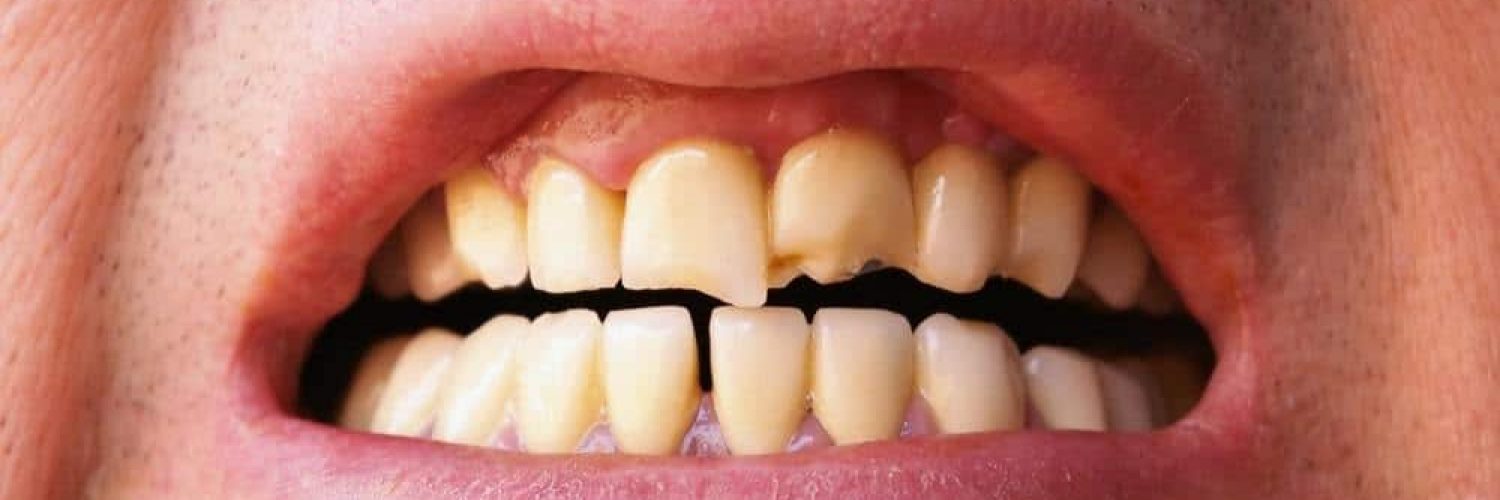
Broken Tooth: What to Do Before You See a Dentist in 2026
If you break a tooth, rinse your mouth with warm water, apply a cold compress to reduce swelling, and call your dentist right away. Save any broken pieces. Do not chew on that side of your mouth. Most broken teeth need same-day or next-day care to prevent infection, nerve damage, or further fracture.
Breaking a tooth is startling. Whether it happened during a sports game, a bite of hard food, or an unexpected fall, your first instinct matters. The steps you take in the first hour can protect the tooth and reduce the risk of complications.
This guide walks you through exactly what to do, when to go to the ER, and how to manage pain until you get professional care.
Step-by-Step First Aid for a Broken Tooth
1. Rinse and Assess
Rinse your mouth gently with warm water. This clears blood and debris so you can assess the damage. Do not scrub or probe the broken area with your tongue or fingers.
Check for:
- Pain or sensitivity (especially to air, temperature, or pressure)
- Jagged edges that cut your tongue or cheek
- Visible pink or red tissue inside the tooth (this is the pulp)
- Bleeding gums around the break
If you see exposed pink tissue or experience severe, throbbing pain, the nerve may be affected. That situation needs same-day treatment.
2. Save Any Broken Pieces
If you can find a piece of the tooth, rinse it with water and place it in a small container of milk or your own saliva. Do not use tap water for storage. Your dentist may be able to use it, depending on the size and condition of the fragment.
3. Control Bleeding and Swelling
Apply gentle pressure with a clean piece of gauze if the gum is bleeding. Hold an ice pack or cold compress against the outside of your cheek, not directly on the tooth, to reduce swelling. Use 10-minute intervals to avoid tissue damage from cold.
4. Protect the Area
If a jagged edge is cutting your cheek or lip, a small piece of dental wax (available at most pharmacies) can cover the sharp point temporarily. Avoid chewing on the side of the break entirely until you are seen by a dentist.
5. Manage Pain Responsibly
Over-the-counter pain relievers such as ibuprofen or acetaminophen can help with discomfort. Follow the package instructions for dosage. Do not place aspirin directly on the tooth or gum. That can cause a chemical burn to soft tissue.
When to Go to the Emergency Room Instead
Most broken teeth are dental emergencies, not medical ones. However, go to the nearest emergency room if you experience:
- Heavy bleeding that will not stop after 10 minutes of pressure
- Difficulty breathing or swallowing
- Significant facial swelling that extends to the jaw or neck
- Signs of a head or neck injury from the same accident
For everything else, call your dentist immediately. Eagle Rock Dental Care’s emergency services in Idaho Falls include after-hours care with an on-call dentist available until 10 p.m. You can reach the team at (208) 523-5400.
Does Every Broken Tooth Need Emergency Care?
Not always. The severity of the break determines the urgency.
Minor chips: A small chip with no pain and no exposed inner tooth tissue can usually wait until the next business day. The sharp edge may need to be smoothed, but there is no immediate risk.
Moderate cracks or breaks: If the break reaches below the gumline, causes sensitivity to hot or cold, or involves a large portion of the tooth, you need same-day care. Waiting can allow bacteria to reach the pulp and lead to infection.
Severe fractures: Any break that exposes the pulp (the inner nerve-containing tissue), causes severe pain, or involves significant tooth loss warrants urgent treatment. Your dentist may recommend a root canal, a crown, or in some cases, an extraction.
Explore the full range of restorative and emergency services available at Eagle Rock to understand your options.
What Your Dentist Will Do
Once you arrive, your dentist will take X-rays to evaluate the extent of the fracture, including whether the root is affected. Treatment depends on the severity:
- Smoothing or bonding: For minor chips, the edge is filed or bonded with tooth-colored composite resin
- Dental crown: A crown covers and protects a tooth that has lost significant structure
- Root canal: If the pulp is exposed or infected, a root canal removes damaged tissue before the tooth is sealed and crowned
- Extraction: If the fracture extends deep into the root and the tooth cannot be saved, removal may be necessary
Your dentist will discuss all options with you before proceeding.
Can a Broken Tooth Heal on Its Own?
No. Teeth do not have the capacity to regenerate. A break that feels minor today can worsen under the pressure of chewing, allow bacteria to enter the inner tooth, or develop into an abscess if left untreated. Early treatment is almost always simpler and less costly than delayed treatment.
If you are in the Idaho Falls area and dealing with a broken or chipped tooth, the Idaho Falls dental team at Eagle Rock Dental Care is experienced in handling dental trauma quickly and comfortably.
Frequently Asked Questions
How do I know if a broken tooth is a dental emergency?
A broken tooth is a dental emergency if you have severe pain, visible pink or red tissue inside the tooth, significant tooth loss, or swelling. Minor chips with no pain can usually wait until the next business day, but you should still call your dentist to confirm.
Can I eat or drink after breaking a tooth?
Avoid eating on the side of the break. Stick to soft foods and avoid hot or cold beverages, which can aggravate an exposed nerve. Eating hard or crunchy foods risks cracking the tooth further.
What if I broke a tooth but feel no pain?
No pain does not mean no damage. A break that reaches the dentin or pulp may not hurt immediately but can become infected over time. Call your dentist and have it evaluated, even if it feels fine.
What happens if I wait too long to treat a broken tooth?
Delaying care allows bacteria to enter the tooth and potentially infect the pulp or surrounding bone. What might have been a simple bonding or crown procedure can progress to a root canal or extraction.
How much does it cost to fix a broken tooth in Idaho Falls?
Cost depends on the treatment required. A minor smoothing or bonding procedure costs significantly less than a crown or root canal. Most dental insurance plans cover restorative treatment partially or fully. Eagle Rock Dental Care accepts most major insurance carriers. Call the office to discuss your coverage.
Does Eagle Rock Dental Care treat broken teeth after hours?
Yes. Eagle Rock Dental Care offers after-hours emergency services in Idaho Falls. Call (208) 523-5400 and select option one to reach an on-call dentist until 10 p.m.
This article is for informational purposes only and does not constitute medical or dental advice. Consult a qualified dental professional for diagnosis and treatment recommendations specific to your situation.