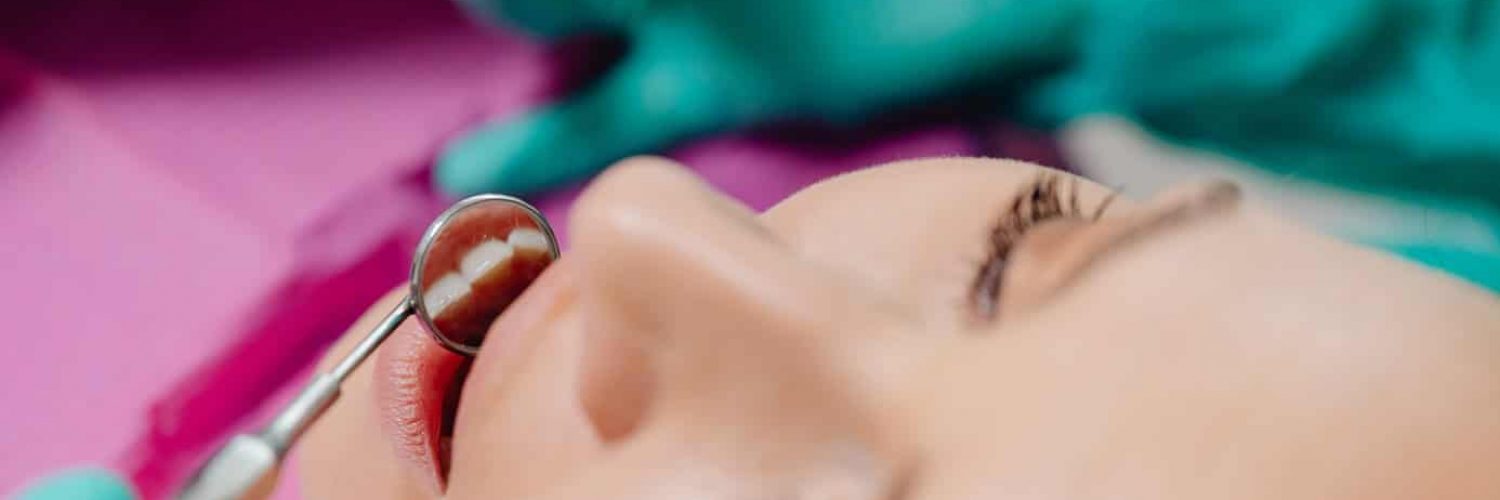
Dental Care During Pregnancy: What’s Safe and What to Know
Dental care during pregnancy is safe and important. Routine cleanings, exams, and many treatments can continue throughout all three trimesters. The American Dental Association and the American College of Obstetricians and Gynecologists both encourage regular dental visits while pregnant. Hormonal changes raise the risk of gum problems, so consistent care protects both you and your baby.
Pregnancy changes many things about your body, including your mouth. Hormone shifts affect your gums, your saliva, and your risk of decay. Skipping dental care during this time can make small problems worse. Staying on schedule keeps your smile healthy through every trimester.
Why Oral Health Matters More During Pregnancy
Rising hormone levels increase blood flow to the gums. This makes gum tissue more sensitive to plaque and more likely to become inflamed. Many expectant mothers notice swollen, tender, or bleeding gums.
Good oral health also supports overall pregnancy health. Research links untreated gum disease to certain pregnancy complications. The American College of Obstetricians and Gynecologists recommends maintaining dental care as part of prenatal wellness.
Brushing twice daily and flossing once a day remain your strongest defense. Consistent home care reduces the inflammation that hormones make worse.
What Is Pregnancy Gingivitis?
Pregnancy gingivitis is the most common oral change during pregnancy. It usually appears between the second and eighth months. The main signs are red, puffy gums that bleed easily when you brush or floss.
This condition stems from hormones, not poor hygiene alone. Even diligent brushers can develop it. The good news is that pregnancy gingivitis responds well to professional cleanings and steady home care.
Left untreated, gingivitis can advance into more serious gum disease. Keeping your dental cleaning appointments helps stop that progression before it starts.
Are Dental Cleanings Safe While Pregnant?
Yes. Professional cleanings are not only safe but recommended throughout pregnancy. Removing plaque and tartar controls the gum inflammation that hormones trigger.
Tell your dental team you are pregnant and how far along you are. They will adjust positioning for your comfort, especially in later trimesters. Many women find the second trimester the most comfortable window for longer appointments.
Routine exams also catch cavities early. Treating decay promptly prevents pain and infection that could complicate your pregnancy.
Can You Get Dental Work Done While Pregnant?
Most dental treatments are safe during pregnancy. Fillings, crowns, and extractions can proceed when needed. Treating an active problem is safer than letting infection or pain linger.
Timing offers some flexibility. Elective or cosmetic procedures can often wait until after delivery. Necessary treatment, however, should not be postponed if it risks your health.
Local anesthetics like lidocaine are considered safe in the amounts used for dental work. Your dentist will use the lowest effective dose. Always share your full list of medications and prenatal vitamins.
Are Dental X-Rays Safe During Pregnancy?
Dental X-rays use very low radiation and are generally considered safe during pregnancy. The American Dental Association supports necessary imaging with proper shielding. A lead apron and thyroid collar protect your abdomen and neck.
Your dentist will only take X-rays that are truly needed. If an image can safely wait, it often will. For urgent problems, the diagnostic value usually outweighs the minimal risk.
Discuss any concerns openly. Your dental and prenatal teams can coordinate to make the safest choice for your situation.
Managing Common Oral Changes
Pregnancy can bring several mouth-related symptoms beyond gum changes. Knowing how to handle them keeps you comfortable.
- Morning sickness: Stomach acid weakens enamel. Rinse with water or a baking soda solution after vomiting, then wait 30 minutes before brushing.
- Dry mouth: Hormones can reduce saliva. Sip water often and consider remedies for dry mouth if it persists.
- Food cravings: Frequent sugary snacks raise cavity risk. Choose tooth-friendly options and rinse after sweets.
- Pregnancy tumors: Some women develop harmless gum overgrowths that usually shrink after delivery.
Report any growth, severe pain, or persistent bleeding to your dentist. Most changes are manageable with simple adjustments.
Caring for Your Smile After Delivery
Schedule a checkup after your baby arrives, especially if you noticed gum changes. A postpartum visit confirms that pregnancy gingivitis has resolved. It also resets your routine care schedule.
Your child’s oral health begins early too. The team at our Idaho Falls dental office can guide you on infant gum care and the timing of that first visit.
Frequently Asked Questions
Which trimester is best for dental work?
The second trimester is often the most comfortable window for treatment. Early pregnancy involves more nausea, and the third trimester makes lying back for long periods harder. Necessary care, though, can be done safely in any trimester.
Can pregnancy cause cavities?
Pregnancy can raise cavity risk through several factors. Frequent snacking, acid from morning sickness, and reduced saliva all play a role. Consistent brushing, flossing, and dental visits help offset these changes.
Is it safe to use numbing medication at the dentist while pregnant?
Yes. Local anesthetics used in dentistry are considered safe during pregnancy in standard amounts. Your dentist uses the smallest effective dose and avoids unnecessary medications. Always confirm your pregnancy and any prescriptions first.
Will I lose a tooth for every pregnancy?
No. This is an old myth with no scientific basis. Pregnancy does not pull calcium from your teeth. Gum changes and decay come from plaque and hormones, both of which good care controls.
Should I tell my dentist I’m pregnant?
Always. Share that you are pregnant and how many weeks along you are at every visit. This helps your dental team tailor positioning, imaging, and treatment choices. Open communication keeps both you and your baby safe.
This article is for informational purposes only and does not constitute medical or dental advice. Consult your dentist and your prenatal care provider for guidance specific to your pregnancy and oral health.